DSU Students Help Build Award-Winning Braille Tutor at HackMIT
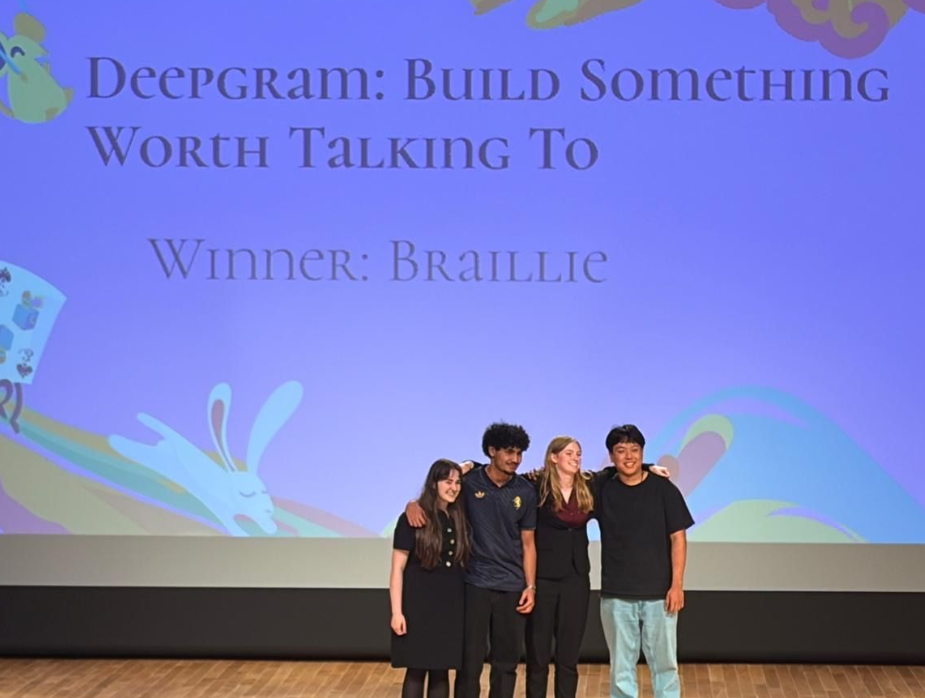
With one hour left before the HackMIT deadline, the finger-tracking system at the heart of Braillie stopped working.
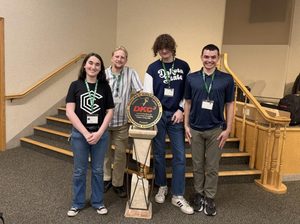
For Dakota State University juniors Smaran Pokharel and Tenzing Gurung, that meant a last-minute scramble to repair a tool their four-person team had spent the previous day building. They fixed the problem in time, demonstrated all three learning modes to the judges and won Deepgram’s “Build Something Worth Talking To” challenge.
Their project, Braillie, is a voice-guided tutor designed to help blind and low-vision learners practice reading braille using a smartphone and a sheet of raised braille dots.
“To have Deepgram recognize Braillie meant a lot to us, because voice is at the very heart of what makes the project accessible,” Pokharel said. “More than anything, it felt like validation that we had built something that could genuinely help people.”
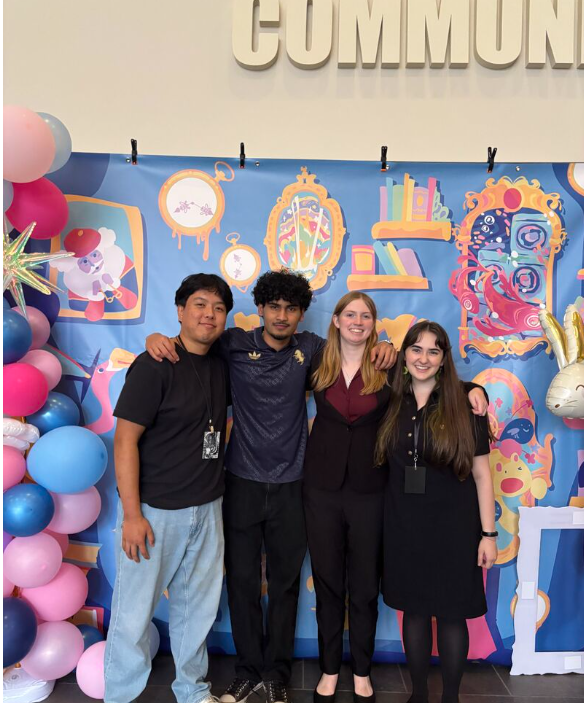
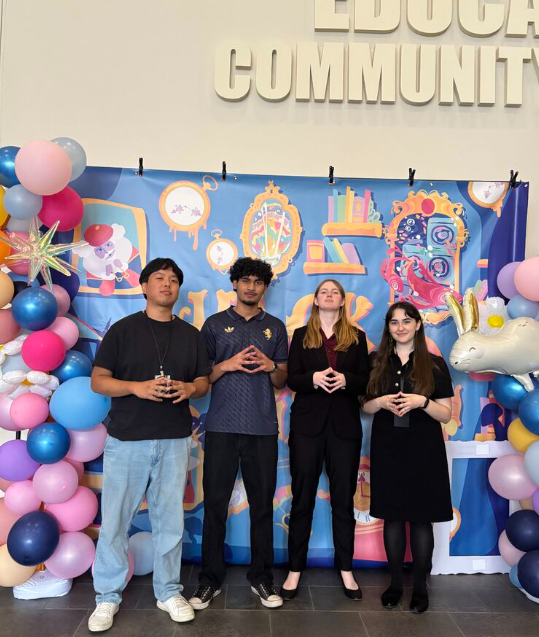
Pokharel and Gurung teamed up with MIT freshmen Reagan Spurlock and Dorothy “Sage” Peterson. The two DSU students had worked together before, but the larger team came together through an online search for teammates. They connected with Spurlock, who introduced them to Peterson.
Pokharel credits Gurung with the initial idea. Once the hackathon began, the team researched the problem and settled on an approach centered on teaching learners to recognize braille themselves.
“We started by researching the problem, which is how we decided to build something that teaches braille instead of just translating it,” Pokharel said.
Braillie connects a phone to the system through a QR code, turning the device into a camera, speaker and microphone. The learner holds the phone near their forehead with one hand while tracing the braille sheet with the other.
The computer vision system, called BSeer, detects the raised dots and identifies the letter beneath the learner’s finger. A voice tutor named Braillo then provides instructions and feedback.
The project has three modes. Read mode speaks the letter beneath the learner’s finger. Quiz mode asks the learner to locate a letter or word by touch and checks the response. Learn mode offers guided lessons that revisit material over time and focus practice on the letters each learner finds most difficult.
Spoken commands such as “repeat,” “hint” and “stop” allow learners to interact with the tutor. Those who sign in with Google can also save their progress.
The team divided responsibilities around each member’s strengths. Pokharel developed the computer vision system, tutoring functions and several website accessibility features. Gurung built the voice system using Deepgram and led testing. Spurlock designed the website architecture, set up Google login and presented the project to judges. Peterson edited the demonstration video, helped prepare slides and made practice sheets by pressing raised dots into paper with the end of a paintbrush.
Building the project during the 24-hour competition on Sept. 19–20 required both technical troubleshooting and changes to the original design.
Detecting braille dots through a camera proved especially difficult. Their small size meant that shadows, glare and camera angles could interfere with recognition. The system also needed to locate the edges of the paper accurately to determine which dots belonged to each letter.
The team initially planned to mount the phone on a stand. During testing, however, they found that holding the phone helped the system read the page more reliably, prompting them to adjust the setup.
“With only 24 hours, staying in our lanes while keeping each other updated was what let us finish a complete, working product,” Pokharel said.
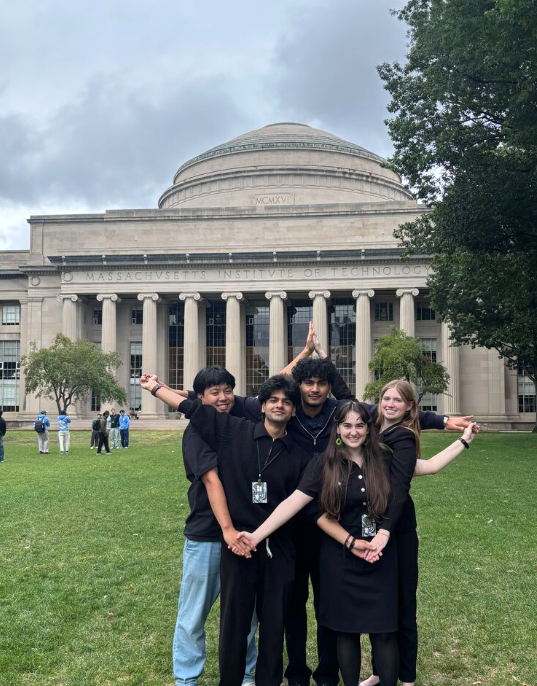
According to Pokharel, judges encouraged the team to develop Braillie beyond the hackathon. The team now plans to test the prototype with blind and low-vision learners and their teachers, using their feedback to guide improvements.
For Pokharel, the weekend also offered a chance to introduce Dakota State to students from other universities. One participant recognized the abbreviation “DSU” but assumed he meant Delaware State University.
“We both laughed, and I got to tell him all about Dakota State,” he said. “It made me realize that events like HackMIT are a great chance to put Dakota State on the map, and winning a prize there felt like a good start.”