Undergraduate Research Seminar Series

Dakota State University (DSU) continues to strengthen its culture of research through structured initiatives like the Student Research Initiative (SRI) and the Faculty Research Initiative (FRI). While these programs provide the necessary funding and mentorship for original projects, the Undergraduate Research Seminar series provides the critical space for these projects to be tested and refined before they reach a formal presentation stage.
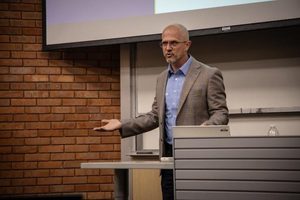
Every Monday afternoon from 4:00 to 5:00 p.m. in Beacom 213, students and faculty gather for a hybrid session that functions differently from a standard lecture. These seminars are intentionally not recorded, a policy designed to foster a low-stakes environment for sharing work-in-progress. By removing the pressure of a permanent digital record, the series allows researchers to present raw data or develop theories to a broad audience and receive constructive feedback early in the process.
One of the series’s most valuable features is its interdisciplinary nature. Because the seminar is open to the entire DSU community, a presenter might be a computer science student explaining an algorithmic analysis of move patterns in chess, only to receive a question from a biology professor or a cybersecurity expert.
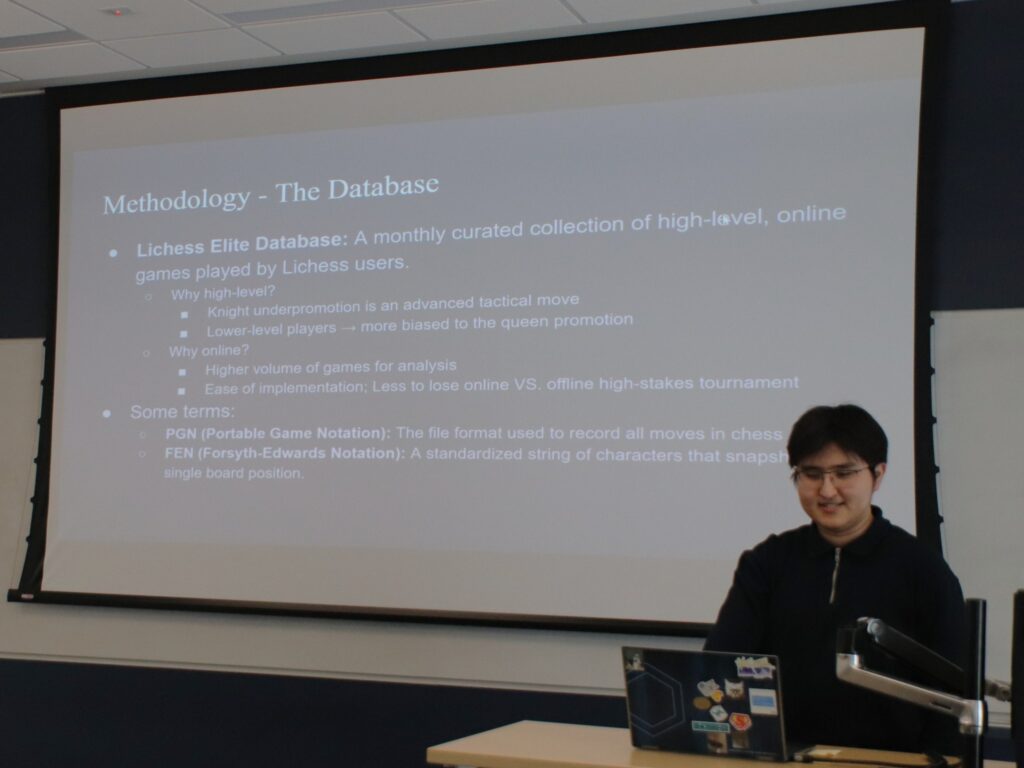
This mix of perspectives is a core part of the thoughtful community that the Undergraduate Research Seminar series encourages through the program. By presenting to those outside their own major, students learn to translate high-level technical jargon into clear, professional communication—a skill that is essential for any field.
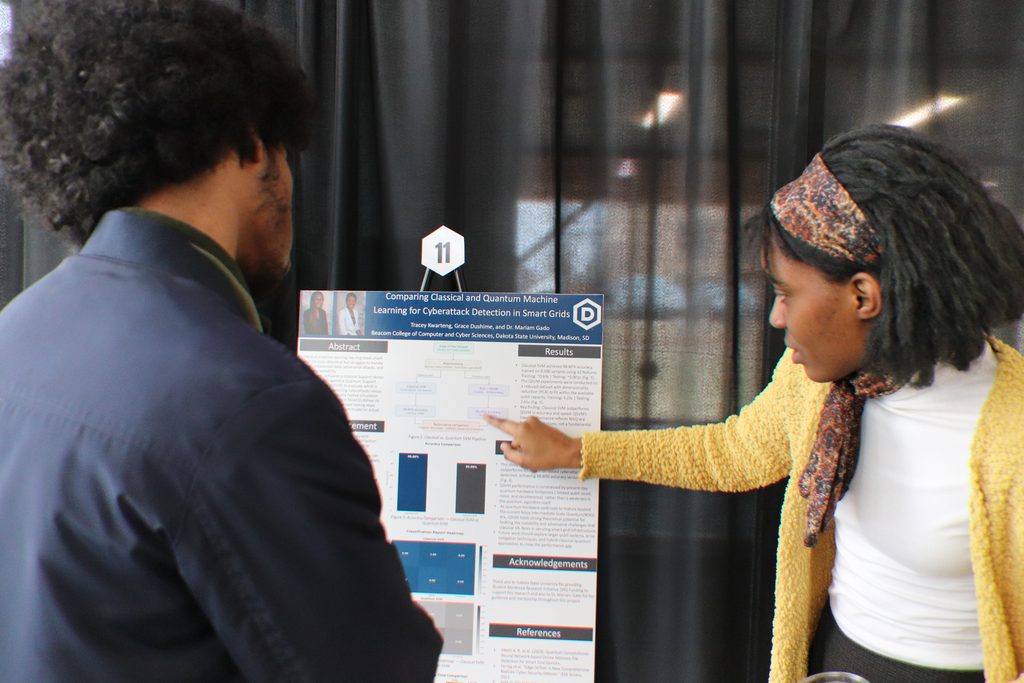
The seminar series serves as a vital bridge to larger academic events. For many, it is the primary “stress test” before participating in Research Week or presenting at the Upper Midwest Honors Council (UMHC) conference. It allows students to identify gaps in their logic or refine their visuals in a low-stakes setting, ensuring they are prepared when they eventually represent DSU at regional conferences and symposiums.
Beyond presentation practice, the seminar also acts as a recruitment hub. Faculty members frequently present their own research as a way to invite undergraduates to join ongoing projects, helping students move beyond typical coursework and into original discovery.
The series continues throughout the semester, offering a weekly look at the original work happening across the colleges. For students and faculty interested in joining the conversation, Beacom 213 remains the home for these early-stage discoveries every Monday afternoon. Whether you are looking for a research mentor or just want to see how a peer solved a complex problem, the sessions provide a straightforward way to see what research at DSU actually looks like in practice.